Prosjekt Atlas
About project Atlas
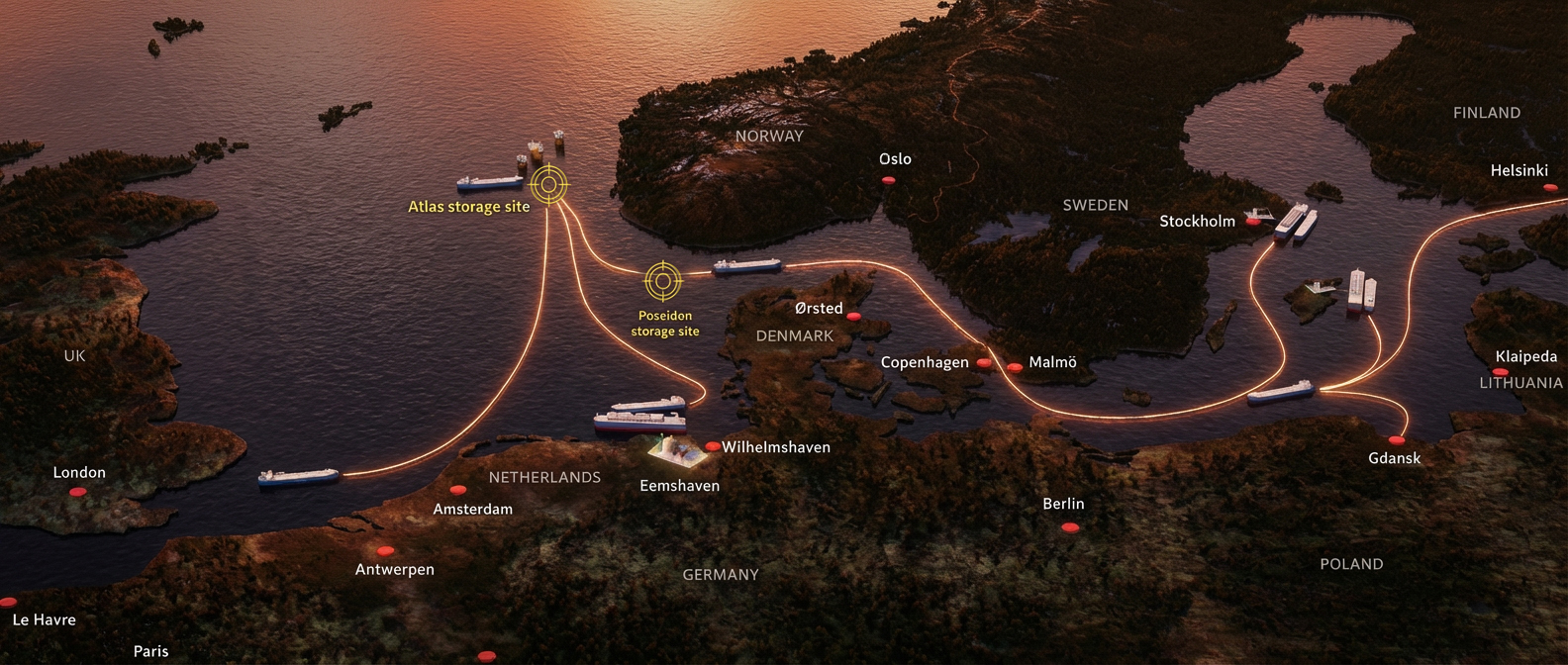
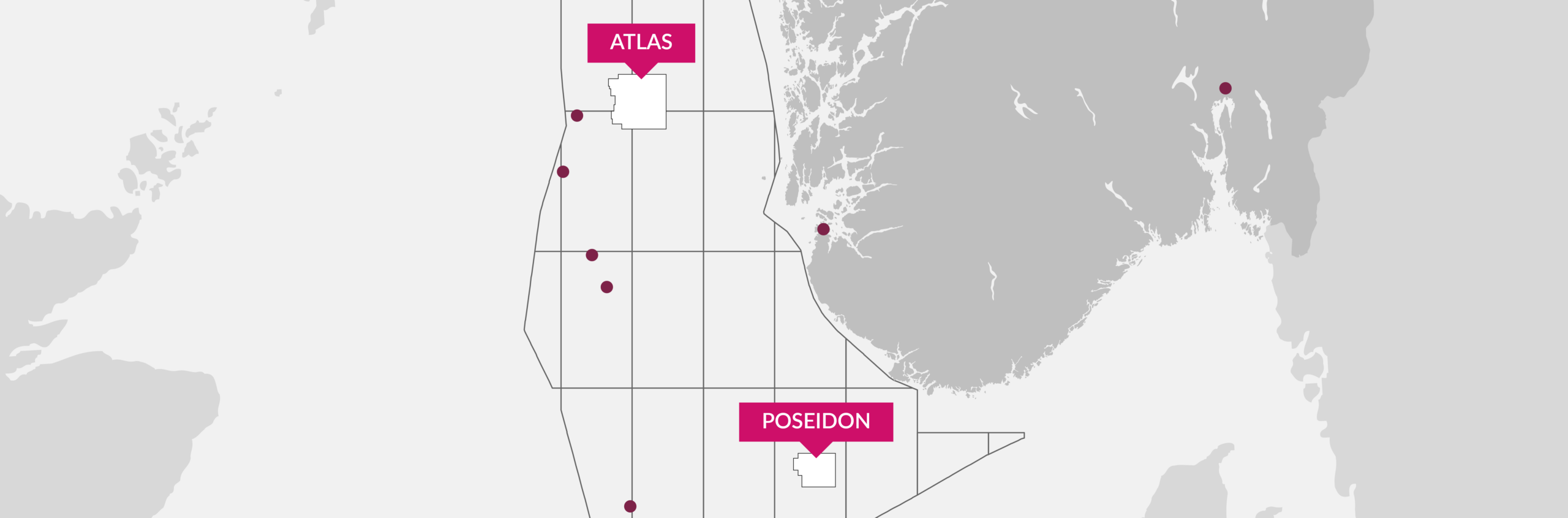
Atlas is being matured as a flexible, innovative, scalable and cost-effective CO₂ transport and storage (T&S) solution for European industrial emitters. The project has completed the feasibility phase and progressed into the Select phase. Subject to final investment decision, tentatively in 2028, first injection is targeted for 2031.
Aker BP and strategic partner Höegh Evi are jointly developing the integrated CO₂ transport and storage solution.
In October 2026, Aker BP and Höegh Evi were awarded EUR 223 million from the EU Innovation Fund for the Atlas project, subject to final investment decision. This complements Atlas’s inclusion on the European Commission’s PCI/PMI list in April 2026, recognizing its role as cross-border European CO₂ infrastructure and making it eligible to apply for CEF-Energy funding. Additionally, Atlas has been awarded the STEP Seal by the European Commission, recognizing the quality and innovation of the project.
Atlas reaches major project milestones
Atlas continues to mature through the Norwegian CO₂ storage licence and project development processes.
- The Ministry of Energy approved the removal of the appraisal well commitment from the EXL011 work program in April 2026, reflecting the maturity of the existing subsurface data and technical studies. Atlas has also passed Aker BP’s subsurface validation point (SSVP).
- The Atlas Decision on Concretisation (BOK) was formally approved by the EXL011 Management Committee and submitted to the Norwegian authorities in August 2026. Atlas has now progressed into the Select phase, with the Decision on Continuation (BOV) as the next licence decision milestone.
- The program for Environmental Impact Assessment (EIA) has entered the public consultation process, advancing the regulatory process towards future development.
Key facts
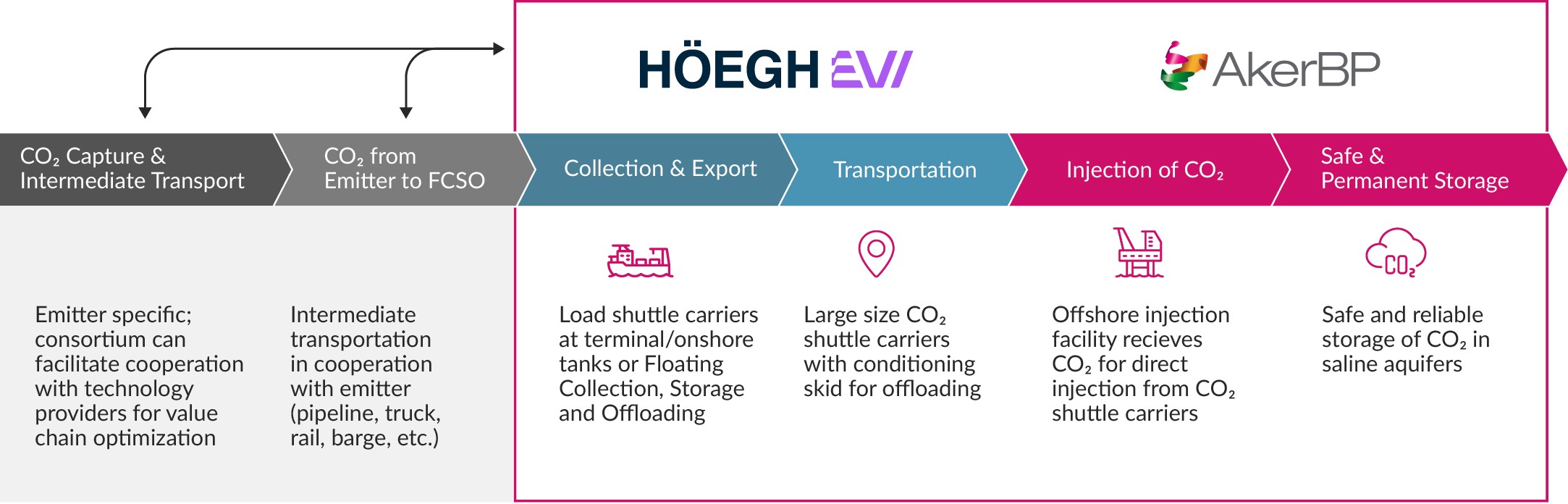
Integrated CO₂ transport and storage from collection to permanent storage
Integrated solution includes large-scale collection, transportation, direct subsea injection and permanent storage.
Project Atlas contacts
Ørjan Jentoft
CCS Manager
orjan.jentoft@akerbp.com