Using fibre cables as seismic sensors
What if the fibre cables already lying on the seabed could be used to look into the subsurface?
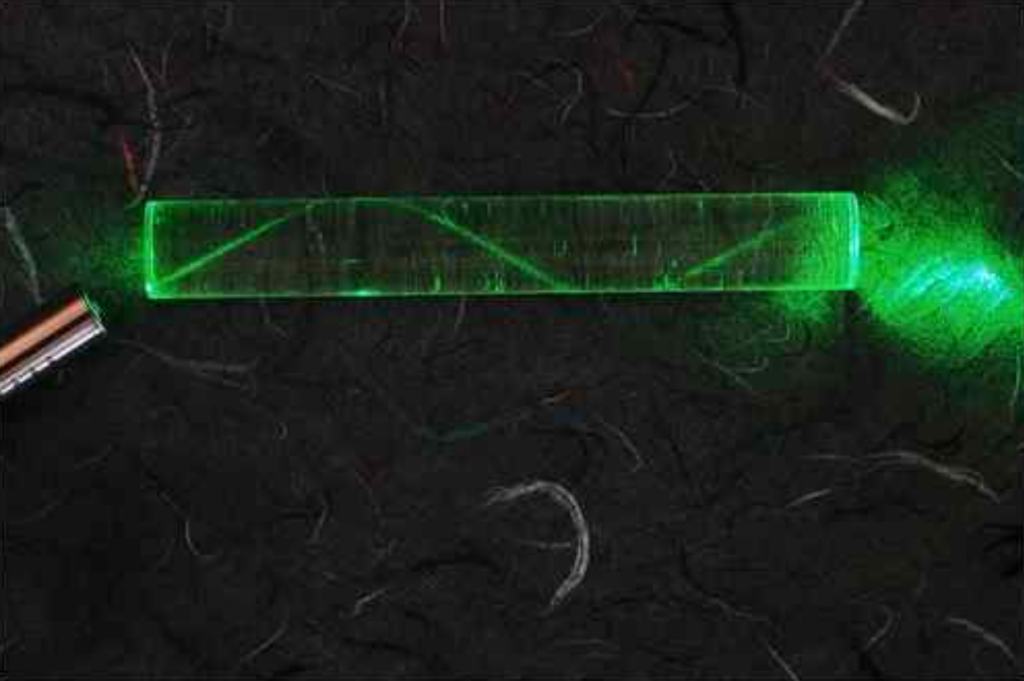
With the Distributed Acoustic Sensing (DAS) technology, fibre optic cables can function as dense networks of seismic sensors. By sending light signals through the cables, microscopic deformations in the fibre are detected and can be converted into seismic measurements. The result is a continuous receiver system that follows the cable’s position on the seabed or in wells.
This technology opens up a new way to collect seismic data offshore. Instead of installing thousands of sensors on the seabed, we can use existing fibre optic infrastructure.
The need for cost-effective subsurface monitoring is becoming increasingly important. On the Norwegian continental shelf, both the further development of mature fields and new energy forms such as carbon storage and geothermal energy require more frequent and affordable reservoir monitoring.
This is where DAS may play an important role.
From R&D to industrial solution
Aker BP has carried out a series of R&D experiments offshore to qualify the technology as a commercial tool for subsurface monitoring.
The work began with the field trial at Ula in 2022, where a single fibre optic cable was used to collect fibre optic data and compare these with conventional 2D seismic. This was followed by the Poseidon experiment in 2023, where we investigated how acquisition geometry and cable response affect the imaging of the subsurface.
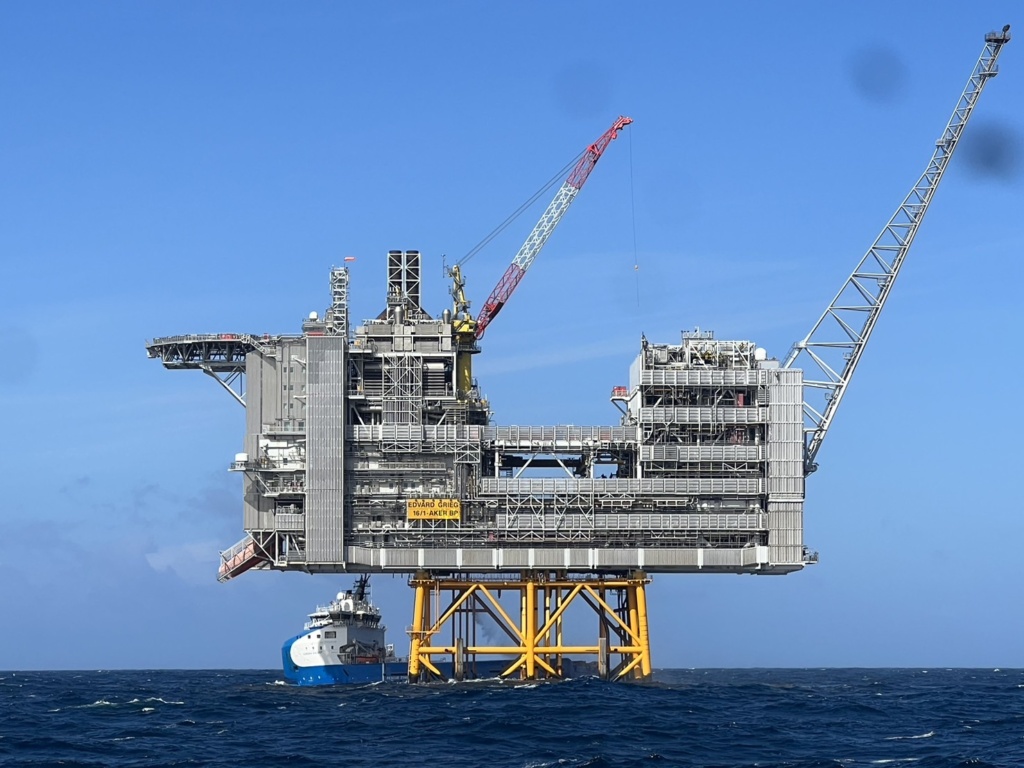
The most advanced tests have been carried out at the Edvard Grieg field in 2024 and 2025, where several fibre cables on the seabed and in the wells were used in the acquisition of fibre optic data from the field.
– DAS has long demonstrated exciting potential. Now it is about making the technology robust enough to function at full scale, in real fields and with real decisions as a consequence, says Espen Birger Raknes, Advanced Geophysicist in EXPRES.
– Through these experiments, the complexity has increased gradually. At the same time, we have built a better understanding of how fibre optic sensors function in practice.
Comparing with conventional seismic
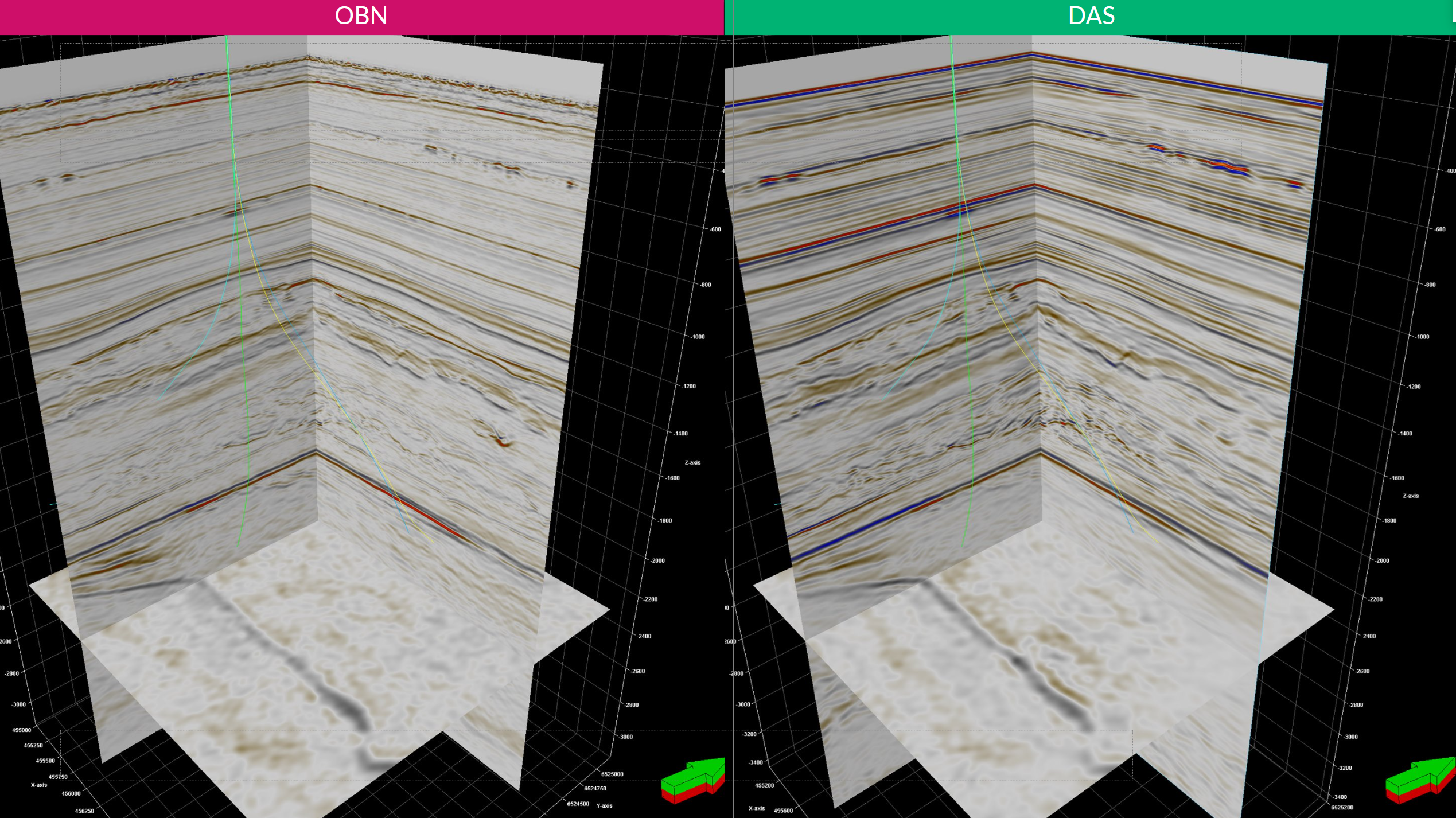
In all experiments, DAS data have been compared with conventional methods such as streamer and ocean-bottom seismic (so-called ocean-bottom seismic (OBS)).
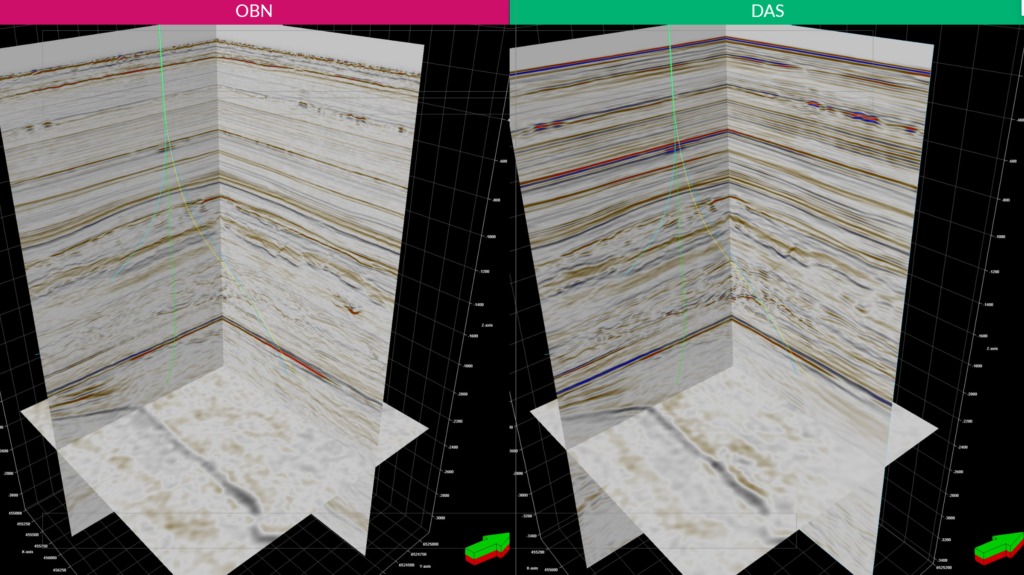
The results show that images of the subsurface can be of comparable quality, even when the data are collected using existing fibre cables.
– For us in Exploration & Reservoir Development, this is an important step towards more continuous and data-driven reservoir understanding. When we can collect data more frequently and at lower cost, we strengthen the basis for decision-making throughout the field’s lifetime, says Helene Hafslund Veire, VP Exploration & Reservoir Development.
The results from the Edvard Grieg experiments show that with DAS technology it is possible to obtain images of the subsurface that are comparable with conventional seismic methods.
A new cost structure for seismic
The greatest advantage of DAS is the potential for significantly lower costs during data acquisition.
Traditional ocean-bottom seismic requires thousands of sensors to be placed and retrieved from the seabed. This involves several vessels, extensive logistics and lengthy operations compared to what is needed to collect DAS data.
With DAS, we instead need:
- access to existing fibre cables
- recording system connected to the cable
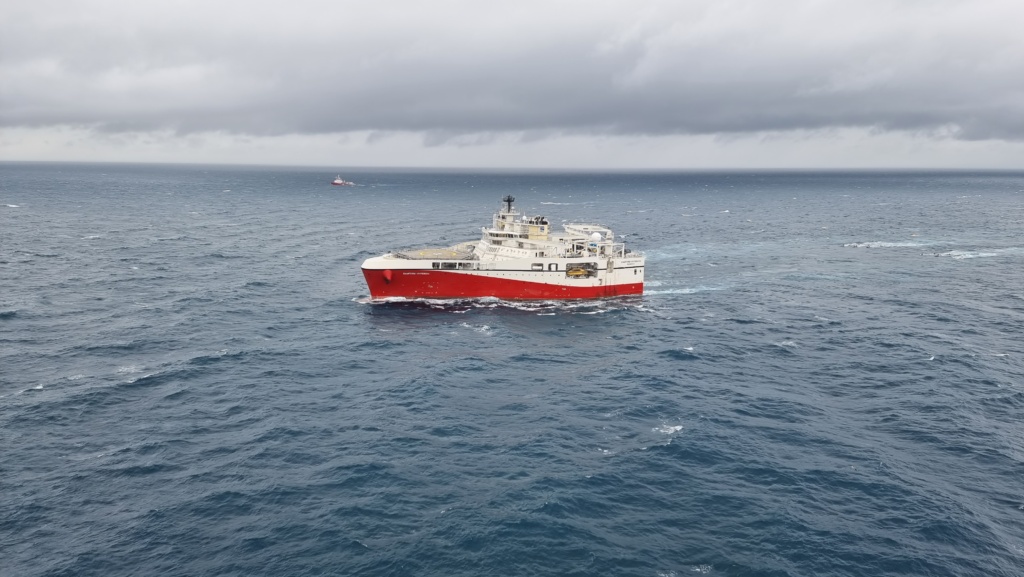
- a single source vessel generating seismic signals
Thus, the cost of data acquisition can be reduced by an order of magnitude compared with conventional methods. At the same time, operational complexity is significantly reduced.
More frequent data enables better decisions
When seismic data can be collected faster and more affordably, it also opens up new ways of working.
More frequent measurements provide better insight into how reservoirs develop over time. This makes it possible to detect changes earlier and optimise production more precisely.
The technology may also become important for new applications such as:
- carbon storage (CCS)
- geothermal energy
- monitoring of offshore infrastructure
By using fibre cables that are already installed, we can reduce both the costs and emissions associated with data acquisition.
– This is not about replacing existing methods, but about expanding our toolbox. By combining DAS with conventional seismic, we can develop more flexible and cost-effective monitoring strategies, says Yngve Johansen, EXPRES R&D Portfolio Manager.
Next steps
The work now continues to further develop methods for data acquisition, processing and interpretation of DAS data.
Ongoing analyses of 4D data from Edvard Grieg will investigate whether the technology can be used to map production-related changes in the reservoir.
If successful, DAS could become a central tool for future subsurface monitoring on the Norwegian continental shelf.