Ran subsea operation from shore – reduced 14 days to 12 hours
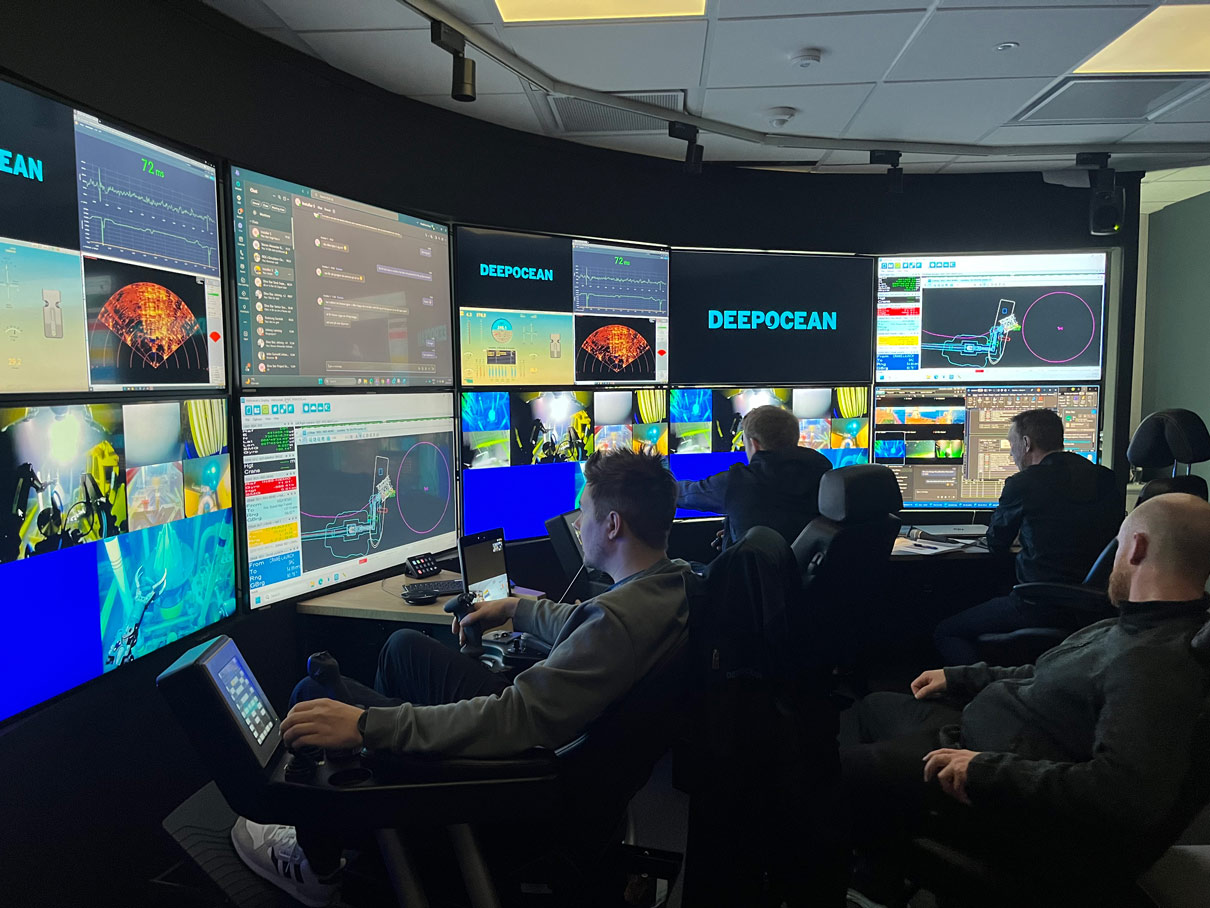
For the first time, Aker BP and DeepOcean have carried out an advanced subsea operation without sending key personnel offshore. A job that previously took two weeks offshore was completed in a single working day, controlled from a remote operations center in Haugesund.
Together with strategic partner DeepOcean, Aker BP wrote a new chapter in Norwegian offshore history when a well at the Idun Nord field in the Skarv area of the Norwegian Sea was stabilized, hundreds of meters below the surface, without engineers leaving shore.
From 14 days to 12 hours
What would traditionally require a full offshore rotation of up to 14 days was, this time, completed in around 12 hours.
The well was stabilized by filling the borehole with gravel, a typical IMR task (inspection, maintenance, and repair). However, the vessel Dina Star was originally mobilized to map the seabed around Skarv, not for intervention work.
The solution? Move the entire operational management onshore.
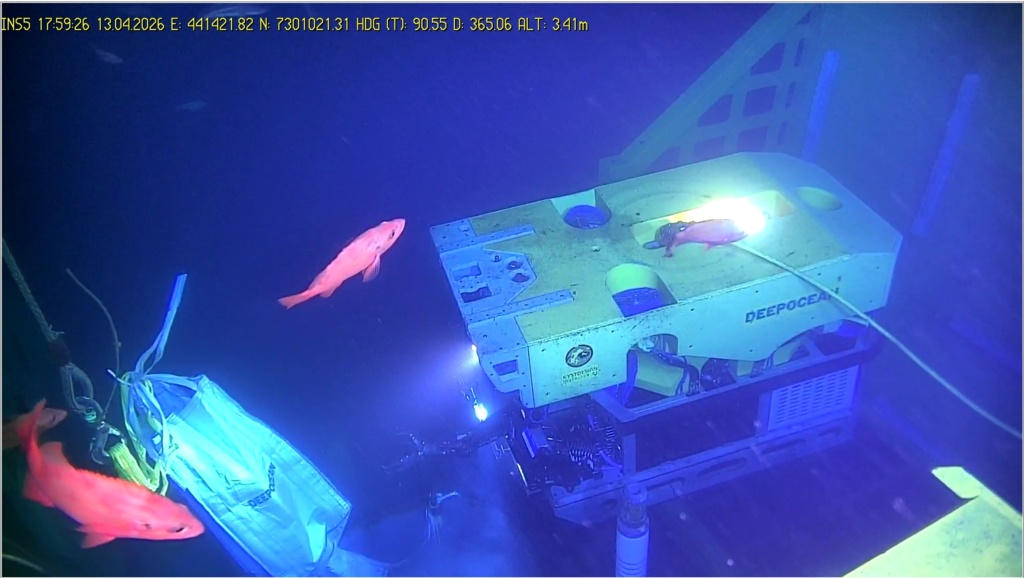
From the Remote Operations Center (ROC) in Haugesund, the team coordinated activities onboard Dina Star in real time. The actual seabed work was carried out by a remotely operated vehicle (ROV), also controlled from shore.
Advanced technology and stable communication solutions enabled the onshore team to work closely with the offshore crew, almost as if they were standing side by side.
Smarter, safer, more efficient
“We greatly value our collaboration with DeepOcean in developing remote operations. This is a strong example of our ambition to increase efficiency by optimizing the use of vessels and personnel, while maintaining a strong focus on safety and operational control,” says Jarle Marius Solland, Operations Manager Subsea Execution & Survey at Aker BP.
Solland highlights several benefits of this way of working:
- Fewer people sent offshore
- Specialized expertise can be utilized across multiple projects simultaneously
- More flexible planning
- Reduced time and costs
The operation is the first of its kind so far, but the ambition is clear: this way of working will be used more frequently. More control from shore represents an entirely new working model, where more people can contribute to advanced operations without traveling offshore.
A small job on the seabed could thus mark the beginning of a major shift for the entire industry.
The oil and gas company of the future
For Aker BP, the remote subsea operation aligns with how the company envisions the future of work:
“Aker BP’s operating strategy involves drones and robots on platforms and subsea (ROVs) being an integrated part of observation, inspection, and task execution offshore. These technologies will operate autonomously or via remote control, either locally or from shore,” says Thomas Øvretveit, SVP Operations at Aker BP.
“The successful advanced remote ROV operation in the Skarv area in the Norwegian Sea confirms that we are well on our way to delivering on our strategy as the oil and gas company of the future,” Øvretveit adds.