Valhall PWP – Fenris 

Aker BP ASA (operator) and the joint venture partners have made an investment decision to redevelop the Valhall field, include installing a new centrally located platform, and to develop the Fenris field. The plans for development and operations were submitted to the Minister of Petroleum and Energy at 16 December 2022. 

The joint development project, located in the southern part of the North Sea, comprises a new centrally located production and wellhead platform (PWP) bridge-linked to the Valhall central complex with 24 well slots, and an unmanned installation (UI) with 8 slots at Fenris (formerly King Lear) subsea tied back 50km to the PWP.  

Pandion Energy AS is partner in Valhall and PGNiG Upstream Norway AS is partner in Fenris. 

The total new reserves developed by the project are estimated to 230 million barrels oil equivalent (mmboe). 

A total of 19 wells are planned to be drilled, of which 15 at Valhall PWP, recovering 70mmboe with first oil in Q2 2027. The remaining four wells will be drilled at Fenris, recovering 160mmboe with first gas in Q3 of 2027.  

Additionally, the project secures lifetime extension of Valhall beyond 2028 and the continued production of existing Valhall reserves estimated to 137mmboe. 

The development will leverage Valhall’s existing power from shore system with minimal emissions, estimated at less than 1 kg CO2/boe. 

The joint development project implies significant synergies in the development and operational phases for the Valhall and Fenris license partners. 

Total investments in the Valhall PWP – Fenris development are estimated at USD 6.6 billion (nominal), equivalent to ca NOK 50 billion gross (real). 

Increased gas export and minimal emissions  

Production from Fenris will significantly increase the gas export from Valhall through the existing Norpipe pipeline to Europe and will more than double Valhall’s gas processing capacity. And as such contributing to Norway’s long-term capacity for stable energy deliveries to Europe. 

The Joint Valhall PWP – Fenris project is the cornerstone of the Valhall asset strategy and serves multiple purposes: 

  • Secures lifetime extension and continued Valhall production 
  • Unlocks new volumes on Valhall and Fenris with significant upside potential 
  • Establishes Valhall as an area gas hub with minimal emissions 

The Valhall asset and field is currently undergoing a major modernization and the new PWP installation will become an integrated part of the Valhall field taking over key global functions as other facilities are phased out. 

Furthermore, PWP and Fenris UI will be constructed with significant flexibility to accommodate further development of additional area resource upsides. The total resource potential enabled by the PWP – Fenris development, including life-time extension, drilling of new wells and identified future upsides, project is estimated at around 500mmboe. 
Skarv Satellites Project

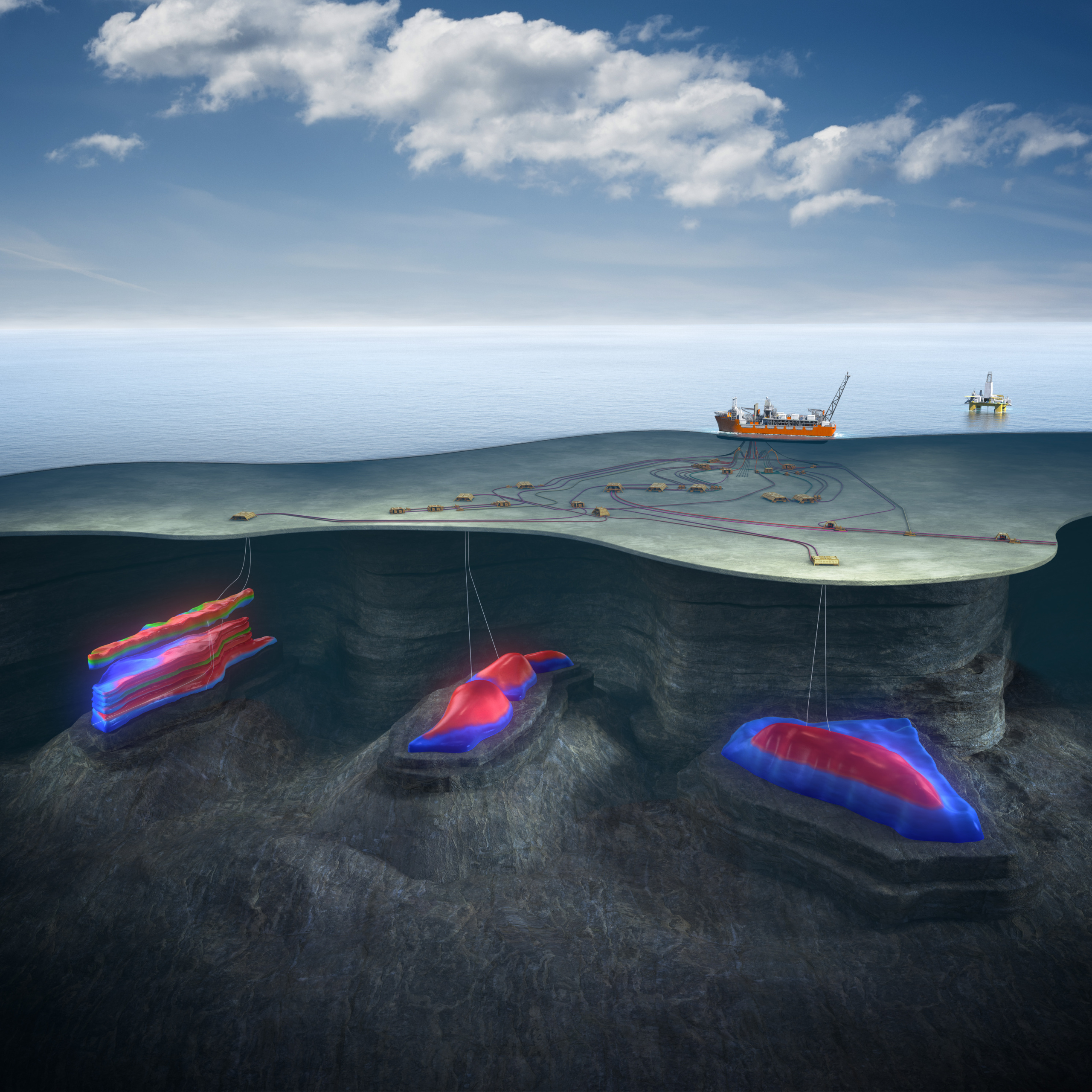
Aker BP (operator) and partners have made investment decisions for three separate developments in the Skarv area. The plans for development and operations were submitted to the Minister of Petroleum and Energy at 16 December 2022. 

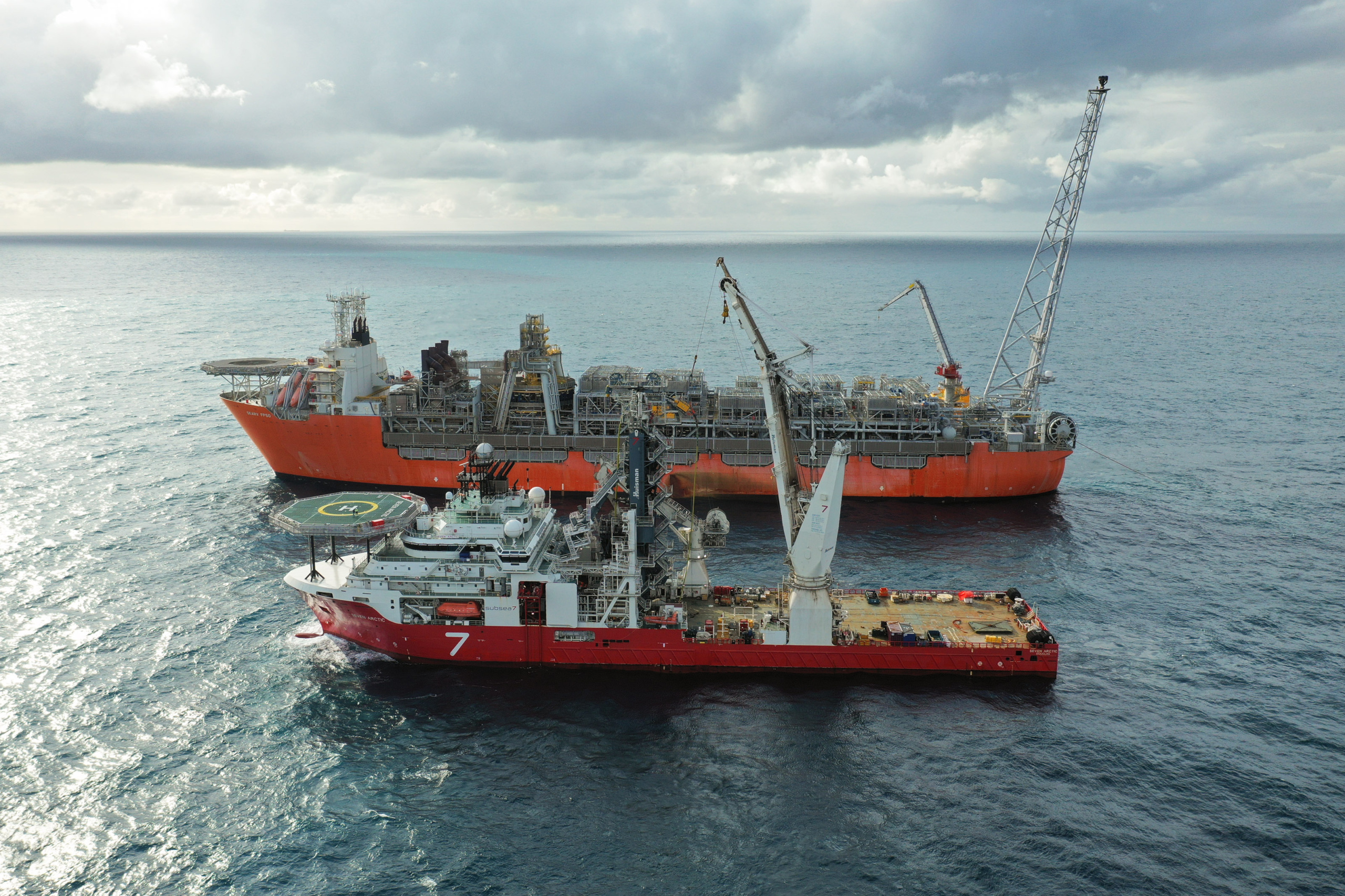
The development projects, coordinated by the Skarv Satellites Project (SSP), consist of the gas and condensate discoveries Alve Nord, Idun Nord and Ørn. Each of the developments comprises of a 4-slot template and two wells, subsea tied back to the Skarv FPSO, located in the northern part of the Norwegian Sea.  

The development of the three discoveries is coordinated by one project team, to reduce costs through common infrastructure and pull synergies across the deliveries. The Skarv Satellites Project enables future growth by strengthening current infrastructure, increases the flexibility and prolongs estimated production period for Skarv FPSO. 

The total resources to be unlocked by the project is estimated to approximately 120 million barrels of oil equivalents (mmboe), predominantly gas.  

The total investment cost is estimated at approximately NOK 16,6 billion gross and first gas is planned in the fourth quarter of 2026.  

Production from SSP will have low incremental CO2 contribution of 4.5 kg Co2/boe and will account for approximately 60% of Aker BP’s net production from the Skarv area for several years.  

The project will use Aker BP’s alliance model in the execute stage. The estimated total Norwegian content for the investment is approximately 60%. In addition, the project aims to use local suppliers as much as possible, to increase regional effects.  

Ærfugl

The Ærfugl project is one of the most profitable developments on the Norwegian shelf with a break-even price of less than USD 15 per barrel.

The Ærfugl reservoir (formerly called Snadd) was discovered in 2000 and is located just west of Skarv, Aker BP’s northernmost producing field in the Norwegian Sea.

300 million barrels
The Ærfugl development is a major subsea project in two phases. Both phases are tied into the existing production vessel (FPSO) on the Skarv field, which is located approximately 210 km west of Sandnessjøen.

Production started from Ærfugl phase 1 in the Norwegian Sea on the 12 November 2020. This was on the same date as promised in the PDO to the Ministry of Petroleum and Energy submitted three years earlier, and the project was delivered onbudget.

The remaining wells for phase 2 came on stream in November 2021. Aker BP also plans to tie-in future developments in the area, and the project includes measures to facilitate this.

The reservoir holds a total of around 300 million barrels of producible oil equivalent, which will extend the lifetime of the Skarv field.

New technology
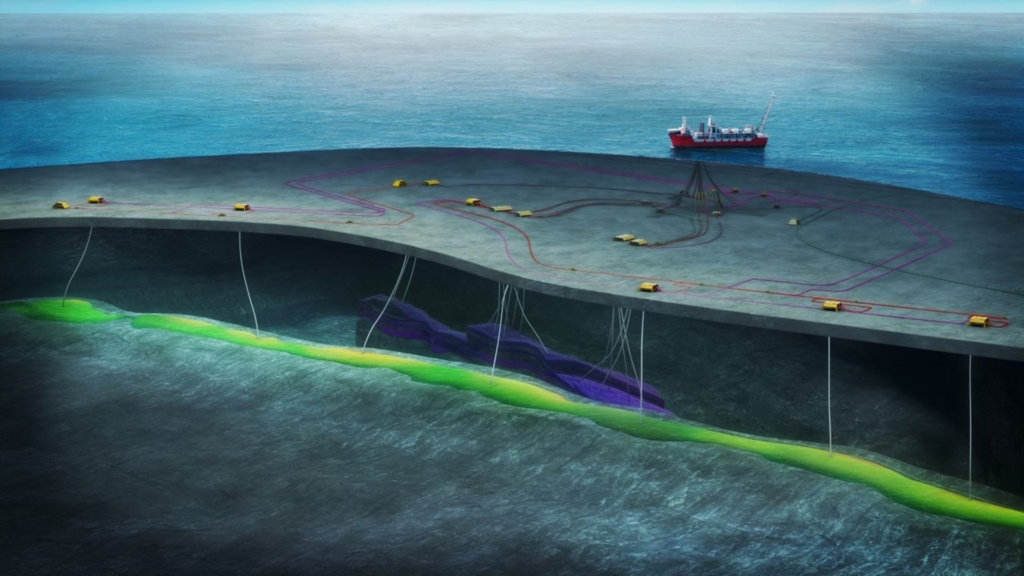
The reservoir is located 2,800 meters below the seabed. There is gas in the reservoir, but some oil will also precipitate when it is produced up to atmospheric pressure. This is why the gas producers on Ærfugl are also the largest oil producers at Skarv.

Six horizontal gas wells are tied back to the Skarv FPSO. The field consists of subsea installations and is enabled by two new technologies in particular:

  • More efficient reservoir drainage through new vertical X-mas trees.
  • Long-distance, electrically heated flow lines to avoid hydrates in the gas pipelines. This technology significantly improves heat efficiency compared with regular technology and enables longer tie-backs.
Dette bildet mangler alt-tekst; dets filnavn er aerfugl-feltillustrasjon-1-1024x576.jpg

Improvement through alliances
Reorganisation of the value chain through strategic partnerships and alliances is an important part of Aker BP’s strategy. The alliances have not only been delivering on cost and schedule, despite the “black swan” related to the challenges of Covid-19; they have also achieved major improvements since the PDO was approved, including significantly accelerated phase 2, from 2023 to 2021, and improved financials.

As many as three alliances are key to the development of the Ærfugl project:

• The Subsea Alliance between Aker BP, Subsea 7 and Aker Solutions

• The Semi-submersible Rigs Alliance between Aker BP and Odfjell Drilling and Halliburton

• The Modification Alliance between Aker BP and Aker Solutions

Strengthening the Skarv area

The Ærfugl field produces via the Skarv FPSO approximately 210 kilometres west of Sandnessjøen.

Competence
A digital twin of the entire field has been created in collaboration with Cognite, and this is a foundation for a smarter future. The project has used the digital twin to optimise plans and operations.

The project has resulted in a new control room with a simulator for testing new logistics and training of operating personnel. The simulator covers the entire Skarv and Ærfugl operation and supports the complex operations where the two fields are connected.

Reduced emissions and ripple effects
Energy efficiency and reductions in discharges to sea and emissions to air are important at Aker BP. With the Ærfugl field in production, CO2 emissions per barrel produced from Skarv FPSO will be reduced by as much as 30-40 percent.

The Ærfugl project has brought significant ripple effects for local suppliers in the Helgeland region.

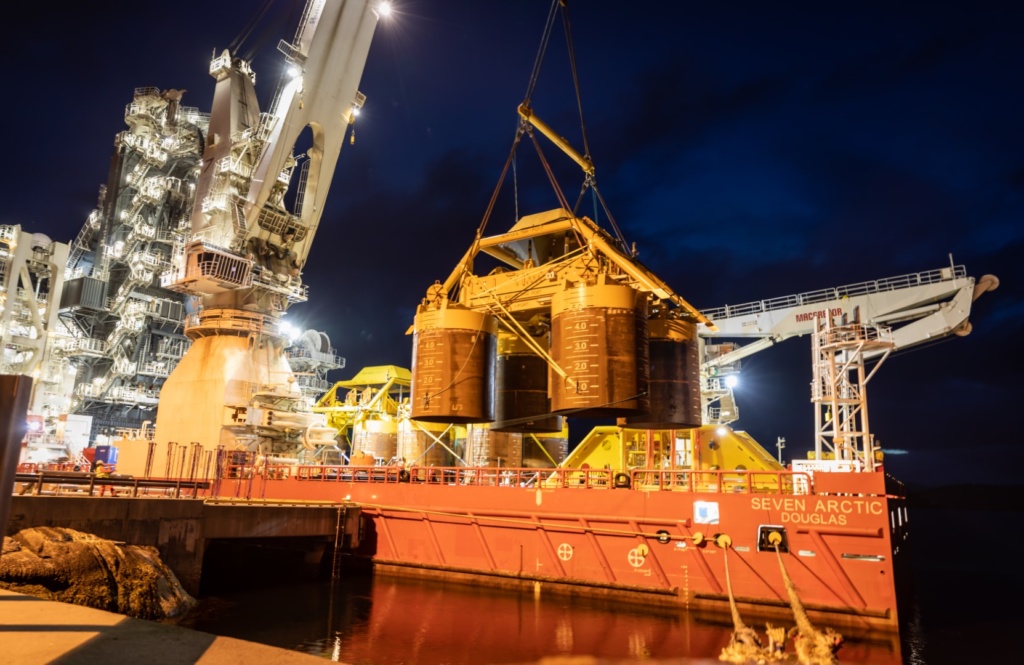
Dette bildet mangler alt-tekst; dets filnavn er skarv-aerfugl-loadout-ssj-sept-2019-6-1024x665.jpg

Hod

The Hod field consists of a normally unmanned installation, remotely operated from Valhall. CO2 emissions are very low due to power from shore. 

The Norwegian Ministry of Petroleum and Energy approved the Plan for
development and operation (PDO) for Hod in the North Sea on 8 December 2020. The approved PDO for Hod development was personally handed over from the Minister of Petroleum and Energy Tina Bru, to the robot dog Spot, to catch up from their last meeting; in June, it was Spot who submitted the PDO to the Minister.

Total investments in the project are estimated at around USD 600 million and the employment effect is estimated at 5,000 FTEs (full-time equivalents).

Hod is one of the first projects to be realised during the temporary changes in
Norwegian petroleum taxation approved by the Storting in June 2020.

Hod’s recoverable reserves are estimated at around 40 million barrels of oil equivalent. Aker BP is the operator with a 90 per cent ownership interest. Pandion Energy is the partner with 10 per cent interest.

Copy of Valhall Flank West – and close to zero emissions

The concept, execution model and organisation are copied from Valhall Flank West, which started production in December 2019. Here, Aker BP and the alliance partners set a new standard for delivering flank developments on the Norwegian shelf.

Hod receives power from shore via the Valhall field centre, which means almost zero local CO2 emissions during normal operations. In 2019, Aker BP had CO2 emissions of 7 kg per barrel of oil equivalent. This is less than half the global industry average, and below the average on the Norwegian shelf. The goal is to deliver an emission intensity of less than 5 kg CO2 per barrel produced.

First oil in 2022

Hod was the first unmanned platform on the Norwegian shelf when it came on stream in 1990. Now the platform has been shut down and will be removed once the wells have been permanently plugged. The new Hod, which has been named Hod B, started production in April 2022.

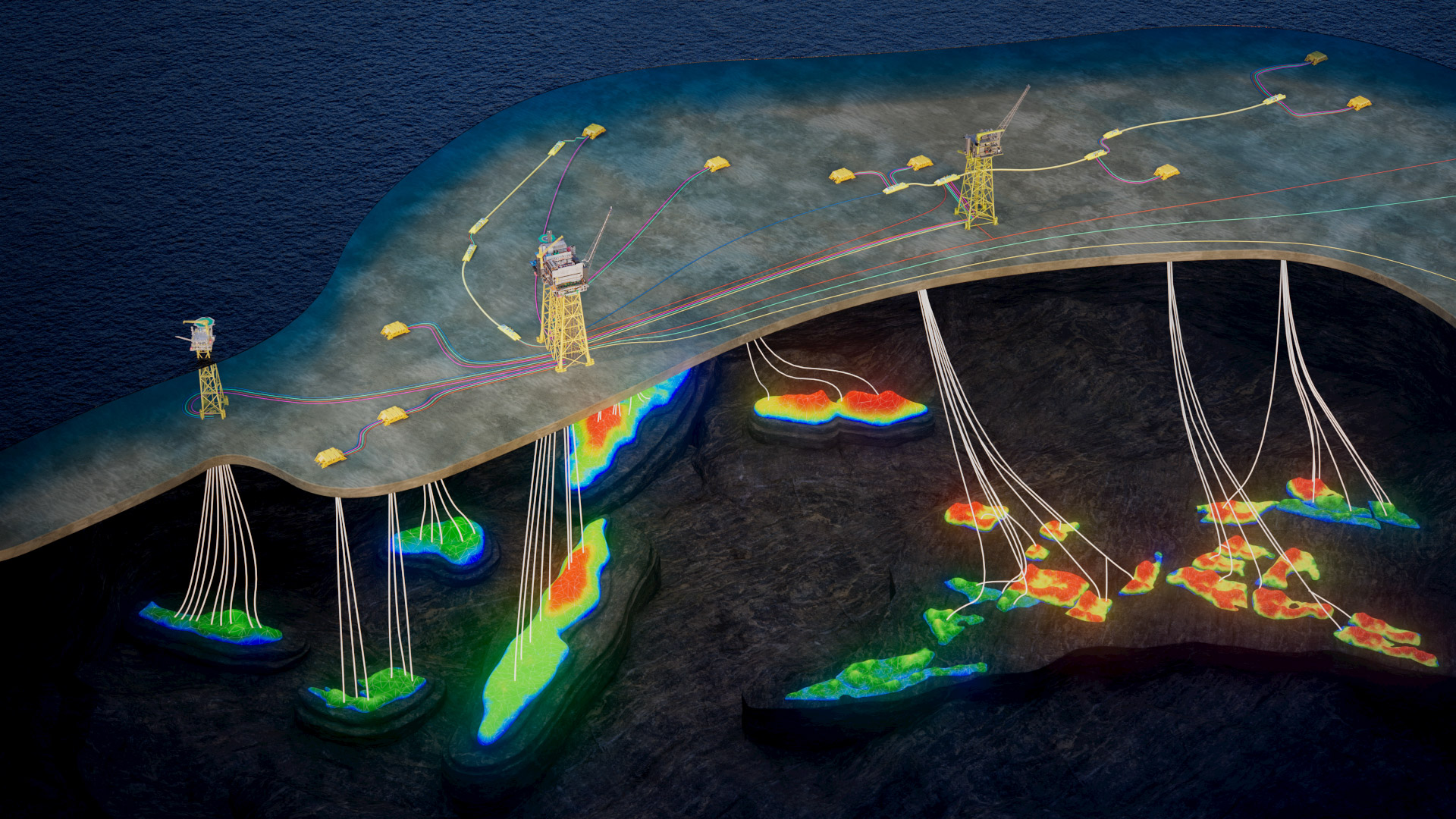
Yggdrasil-området med reservoarer.

The Yggdrasil area

Yggdrasil is located between Alvheim and Oseberg in the North Sea. The area holds several oil and gas fields with gross recoverable resources estimated at around 700 million barrels of oil equivalents, with further exploration and appraisal potential.

Yggdrasil is the biggest ongoing development on the Norwegian Continental Shelf, and through it, a mature area in the North Sea is opened. The area consists of the Hugin Satellites, Hugin, Fulla and Munin licence groups. Aker BP is operator with Equinor and Orlen Upstream Norway as licence partners.

The development concept
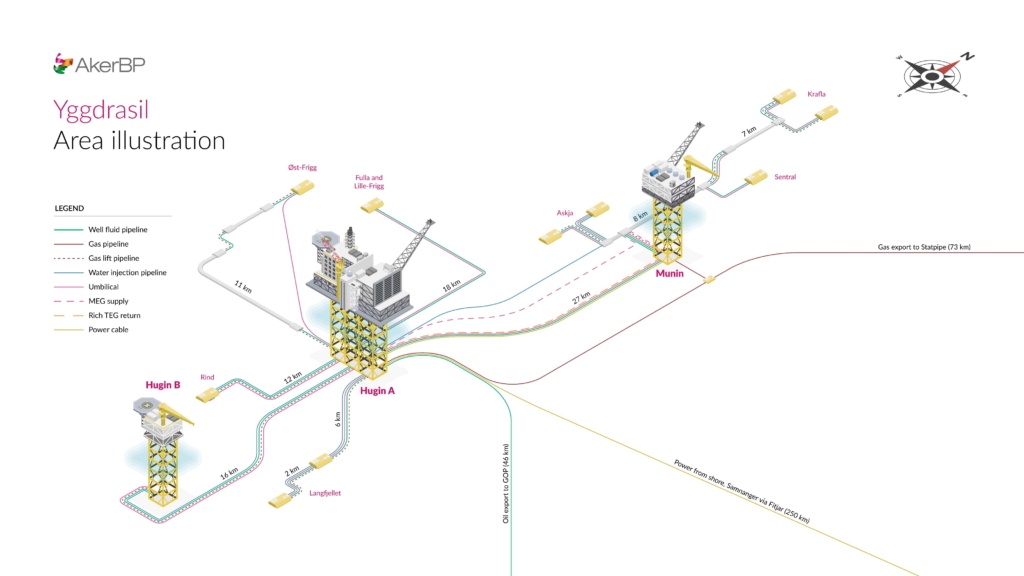
Extensive new infrastructure is being installed in the area. The concept consists of a processing platform with well area and living quarters (Hugin A) that will function as an area hub. Hugin A is planned with low manning levels and is also being developed to be periodically unmanned after a few years of operation.

Munin, to the north of the area, is an unmanned production platform. Hugin A will provide services such as receiving and stabilising oil and treatment of produced water to Munin and will also deliver water for injection to the subsea production facilities. The Frøy field is developed with a normally unmanned wellhead platform (Hugin B) that will be tied back to Hugin A.

Yggdrasil also represents an extensive subsea development with a total of ten templates, pipelines and umbilicals. 57 wells are planned in the area.

Gas will be exported through a shared pipeline from Hugin A via Munin to Statpipe and Kårstø, while oil will be exported through a shared pipeline from Hugin A to the Grane oil pipeline and Stureterminalen. Separate joint ventures have been established for the export pipelines for gas and oil with Equinor as operator.

Yggdrasil is developed with power supply from shore. Connection to the central grid is in Samnanger in Vestland County. The solution will contribute to very low production emissions from the area.

The entire Yggdrasil area will be remotely operated from an integrated operations centre and control room onshore in Stavanger. Through Yggdrasil, Aker BP is setting a new standard with remote  operations, low manned and unmanned production platforms, new technology and new ways of working. 

Ripple effects
The Norwegian share of investments in Yggdrasil is approximately 65 per cent, and the project is expected to contribute to 65.000 full-time equivalents in Norway through the Yggdrasil area’s lifetime. Approximately half of this is during the development phase. Yggdrasil creates activity at yards in Egersund, Stavanger, Haugesund, Stord, Verdal and Sandnessjøen, as well as in several hundred suppliers across the country. On top of this, the project generates activity and jobs for suppliers and yards all over the world.

The Ministry of Energy approved the development plans for the Yggdrasil area in June 2023.